
The Biggest Online Scams and How to Avoid Them
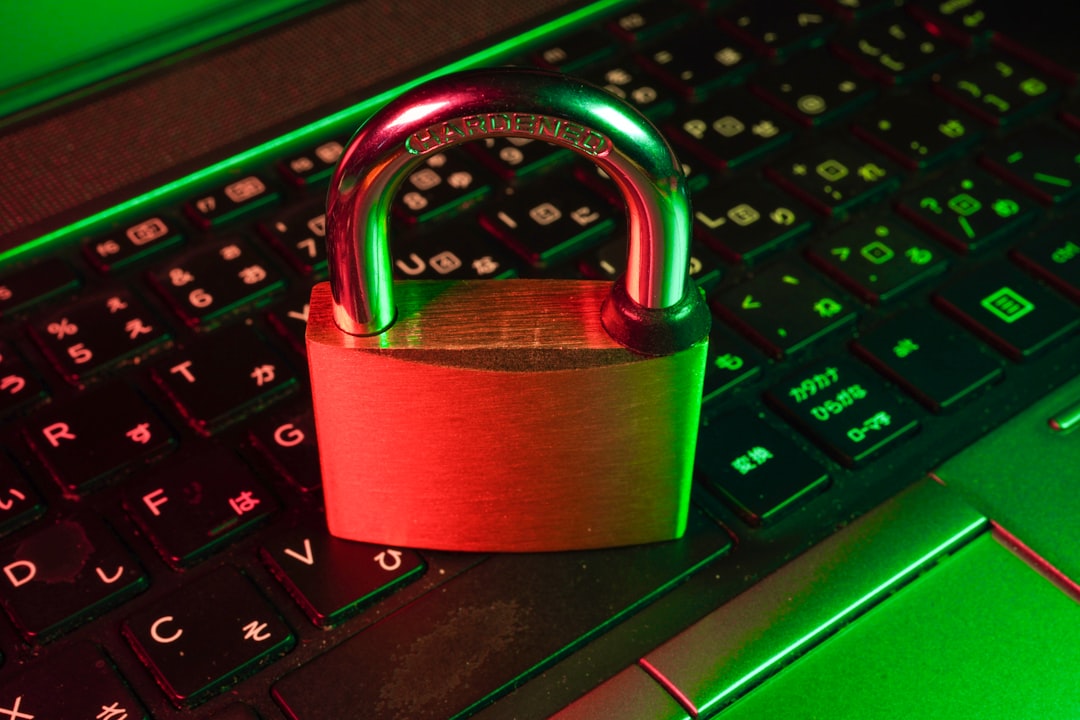
Online scams have become increasingly sophisticated, costing victims billions of dollars annually. Cybercriminals exploit trust, urgency, and fear to trick everyday internet users into revealing personal information or sending money. Understanding the most common scam tactics and learning how to recognize warning signs can help you stay safe online. This guide covers the biggest threats you need to know about and provides practical steps to protect yourself.
Phishing Emails and Fake Messages
Phishing scams remain one of the most widespread online threats. Scammers send emails or text messages that appear to come from legitimate companies like banks, delivery services, or government agencies. These messages typically create urgency by claiming your account has been compromised or a package cannot be delivered. The goal is to trick you into clicking malicious links or providing login credentials.
To protect yourself from phishing attempts:
- Check the sender's email address carefully for subtle misspellings or unusual domains
- Hover over links before clicking to see the actual destination URL
- Never provide passwords or financial information through email links
- Contact companies directly using official phone numbers or websites if you receive suspicious messages
- Enable two-factor authentication on all important accounts
Remember that legitimate companies will never ask you to verify account details through email or text message links.
Online Shopping and Marketplace Scams
E-commerce fraud has exploded with the growth of online shopping. Fake online stores advertise products at unbelievably low prices, collect payment, and never deliver the goods. Similarly, marketplace scams on platforms like Facebook Marketplace or Craigslist involve sellers who request payment outside the platform's protection system or buyers who send fake payment confirmations.
| Warning Sign | What to Look For | Safe Practice |
|---|---|---|
| Price | Significantly below market value | Research typical pricing before buying |
| Payment Method | Wire transfer, gift cards, cryptocurrency only | Use secure payment platforms with buyer protection |
| Website | No contact information, poor design, spelling errors | Check reviews and verify business legitimacy |
| Pressure | Limited time offers, urgent decision required | Take time to research before purchasing |
Always research sellers thoroughly, read customer reviews from multiple sources, and use payment methods that offer fraud protection like credit cards or verified payment platforms.
Romance and Investment Scams
Romance scams involve fraudsters creating fake profiles on dating sites or social media to build emotional connections with victims. After establishing trust over weeks or months, they request money for emergencies, travel expenses, or investment opportunities. These scams are particularly devastating because they exploit both emotions and finances.
Investment scams promise unrealistic returns through cryptocurrency schemes, forex trading, or fake investment platforms. Scammers use professional-looking websites and fake testimonials to appear legitimate. They may allow small initial withdrawals to build trust before requesting larger investments that disappear entirely.
Protect yourself by never sending money to someone you haven't met in person, researching investment opportunities thoroughly through independent sources, and remembering that legitimate investments never guarantee high returns with zero risk.
Tech Support and Impersonation Scams
Fake tech support scams involve criminals posing as representatives from Microsoft, Apple, or antivirus companies. They contact victims through pop-up warnings, phone calls, or emails claiming their computer has been infected with malware. The scammer then requests remote access to the device or payment for unnecessary services.
Government impersonation scams involve fraudsters pretending to be from the IRS, Social Security Administration, or law enforcement. They threaten arrest, account suspension, or legal action unless immediate payment is made. These scams exploit fear and the perceived authority of government agencies.
Key protection strategies include:
- Legitimate tech companies never initiate contact about computer problems
- Government agencies send official letters, not threatening phone calls demanding immediate payment
- Never grant remote access to your computer to unsolicited callers
- Verify caller identity by hanging up and calling official numbers directly
Staying Safe in the Digital World
Protecting yourself from online scams requires awareness, skepticism, and good security practices. Use a reputable VPN service when accessing public Wi-Fi to encrypt your connection and prevent data interception. Keep your devices and software updated to patch security vulnerabilities. Most importantly, trust your instincts—if something feels too good to be true or creates unnecessary urgency, it probably is a scam.
By recognizing these common scam patterns and following security best practices, you can significantly reduce your risk of becoming a victim. Stay informed about emerging threats, educate family members about online safety, and always verify before you trust. Remember that taking a few extra minutes to confirm legitimacy can save you from significant financial and emotional harm.