
IP Reputation and VPN Traffic: Why CAPTCHAs and Blocks Happen
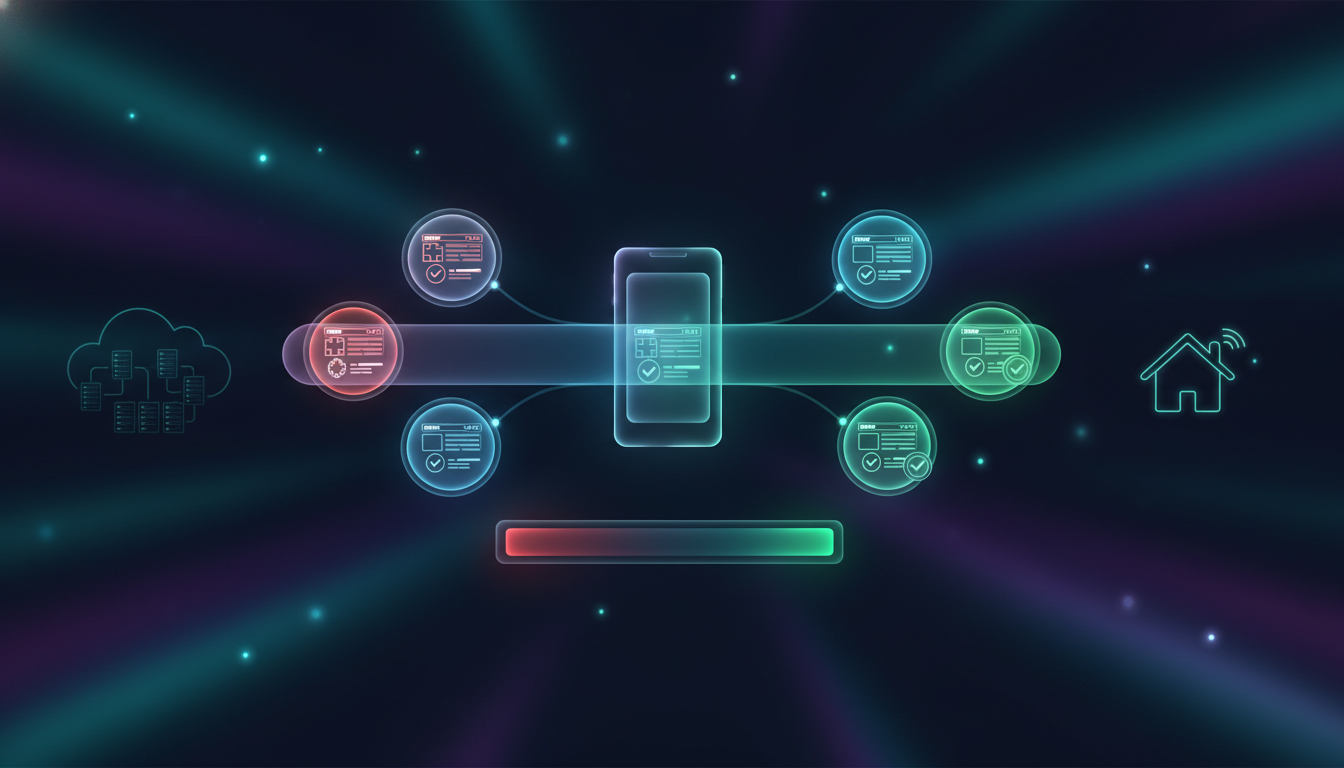
One of the most common VPN complaints is not about speed or security. It’s about friction. You connect to a VPN, open a website, and suddenly you’re hit with a CAPTCHA. Or a login verification prompt. Or a message that your access looks “unusual.” Sometimes the site refuses to load at all.
This experience is frustrating, especially when you are using a VPN for legitimate privacy reasons. But in most cases, it has nothing to do with your device being “flagged.” It happens because the internet runs on trust scoring, and your VPN exit IP has a reputation.
This reputation system is not new, but it has become more aggressive in recent years. Websites face constant automated abuse: credential stuffing, fake signups, scraping, spam, fraud, and bot-driven traffic. To defend themselves, many platforms assign risk scores to visitors before a page even renders.
That is where IP reputation comes in. An IP address is not just a number. It is a history and a pattern profile. If an IP has a record of suspicious behavior, or if it statistically behaves like high-risk traffic, websites treat it as untrusted. And because VPNs often use shared IP addresses, users can inherit that reputation instantly.
To understand the problem, you have to understand how VPN traffic looks from the outside. A VPN makes many different users appear to come from the same IP address. That is great for privacy because it reduces simple IP-based tracking. But it also creates risk scoring issues because many users share the same endpoint. If enough of those users trigger security systems, the endpoint becomes “hot.”
A single VPN server can route traffic for thousands of users. Even if 99% of those users are normal, a small percentage of abusive traffic can poison the IP reputation. And once the reputation drops, everyone using that endpoint experiences higher friction.
Datacenter hosting is another factor. Most VPN providers run servers in datacenters, using IP ranges owned by cloud or hosting companies. Datacenter IPs are common for automation and high-volume workloads. Because of that, some websites treat datacenter traffic as higher risk by default. Not because it is evil, but because it is statistically more likely to contain automated behavior.
This is why VPN users often see more CAPTCHAs than residential users. A home ISP IP usually maps to one household and a stable user pattern. A datacenter VPN IP often maps to a shared, high-variance user population. Trust systems prefer stable identities. Privacy tools create shared identities. That is the trade-off.
Many websites go beyond single IP scoring and score entire network groups. This is done through ASNs (Autonomous System Numbers). An ASN is a network identity for a provider or infrastructure group. If an ASN is known for proxies, VPN servers, or cloud automation, traffic from that ASN may be treated more cautiously. So even “new clean IPs” can get friction if they belong to a high-risk network group.
IP reputation is also influenced by behavior signals. If a website sees high request rates, rapid page switching, repeated failed logins, or patterns that resemble scraping, it can flag the IP as suspicious. This is one reason some VPN endpoints degrade quickly: the same IP is hit from many devices, many sessions, and many locations. Even normal behavior looks unusual at scale.
Geographic consistency is another piece. If traffic from one account appears from different countries within short time windows, fraud systems become alert. This is common with VPN usage, especially if users switch servers frequently. Some services respond with forced re-authentication, account locks, or step-up verification. That’s not censorship—it’s risk control.
It’s important to understand that “block” is not always a hard block. Many platforms prefer soft friction: CAPTCHAs, rate limits, temporary timeouts, or degraded performance. From the user perspective it feels broken. From the platform perspective it’s “safe mode.” They are trying to filter out bots without blocking legitimate users completely.
IP reputation issues also connect to VPN leak behavior. If your traffic exits through a VPN IP but your DNS requests leak locally, or your browser exposes additional network details, it can look inconsistent. Inconsistency is suspicious. And suspicion increases friction. That is why leak prevention matters even when “the VPN works.” If you want a full overview of leaks and how they happen, read: common VPN leak scenarios and why they matter.
This also connects to the foundational VPN model. If you expect a VPN to make your browsing invisible, reputation friction feels confusing. But once you accept that VPNs change routing signals rather than erasing identity, CAPTCHAs become easier to explain. If you need a quick refresher on what VPNs actually protect, start here: VPN privacy basics and realistic limits.
So what should users do about IP reputation problems? The realistic answer is: accept that some friction is normal, and focus on stability. If you change servers constantly, your identity becomes inconsistent. If you choose random endpoints, you may hit “hot” IPs more often. Consistency reduces the number of risk triggers.
Provider infrastructure also matters. A provider with diverse, well-maintained server pools can reduce how often endpoints become overloaded or flagged. A smaller provider with limited IP resources may struggle to keep reputation clean at scale. This doesn’t make small providers bad, but it changes what users should expect.
Another important mindset shift is understanding that privacy tools are not only technical—they are social signals. When you use a VPN, you are opting into shared infrastructure. Shared infrastructure creates shared risk. That’s why privacy and friction often rise together: the more you blend into a crowd, the less “unique trust” you carry.
The bigger picture is that the internet increasingly runs on trust scoring. It is not just about malware prevention. It is about fraud control, bot management, and abuse mitigation. VPN traffic often sits closer to the “high scrutiny” zone in these systems. That is simply the modern reality.
For privacy-focused users, the goal is not to defeat these systems. It is to understand them and avoid unrealistic assumptions. If you know why CAPTCHAs happen, you stop seeing them as proof your VPN is broken. You see them as the cost of reducing correlation and controlling network identity exposure.
A VPN improves privacy by changing your network path. It cannot guarantee a friction-free internet experience, because trust systems care about signals beyond encryption. IP reputation is one of those signals. And once you understand it, VPN usage becomes far more predictable.